Stretch, Soak, and Submit: How Kink-Friendly Resorts Are Becoming Serious Wellness Destinations
Photo: Basile Morin, CC BY-SA 4.0, via Wikimedia Commons
For a long time, the phrase "adult resort" conjured a pretty specific image in most people's minds. Something dimly lit. Maybe a dungeon. Definitely not a guided meditation at dawn or a farm-to-table brunch spread.
But spend a weekend at any number of the alternative lifestyle destinations that have quietly transformed over the last decade, and that old image starts to feel laughably outdated. Rope bondage as a breathwork exercise. Sensory deprivation as a legitimate stress-relief modality. Couples' massage workshops that double as consent-forward communication courses. The lines between kink retreat and wellness resort are blurring — intentionally — and the guests who've discovered these spaces aren't looking back.
It's Not Just a Trend. It's a Rebrand With Roots.
The shift didn't happen overnight. Resort owners and event organizers within the alternative lifestyle community have been quietly expanding their programming for years, responding to a guest base that was aging, evolving, and asking for more than a play party on Saturday night.
"Our community has always understood that what we do requires a lot of emotional intelligence," says one Florida-based resort owner who has operated a clothing-optional, kink-welcoming property for over fifteen years. "At some point, it just made sense to build out programming that supported that — things like trauma-informed workshops, somatic bodywork, even nutrition consultations. We weren't abandoning our identity. We were deepening it."
That framing — deepening rather than softening — is key to understanding why this isn't simply a marketing pivot. The wellness offerings at these resorts aren't a sanitized front for something edgier happening behind closed doors. They're genuinely integrated into the experience, and often, they're what guests say they remember most.
What Does a Kink-Positive Wellness Weekend Actually Look Like?
Depending on the property, a lot. The programming varies widely, but a few offerings have become something of a standard across destinations that take this approach seriously.
Tantric and conscious sexuality workshops are probably the most common. These aren't instructional sex sessions — they're typically facilitated conversations and exercises around presence, breath, and embodied awareness. For many guests, especially those newer to intentional intimacy, these workshops are genuinely revelatory.
Rope bondage as mindfulness practice has developed its own dedicated following. Riggers and rope bottoms both describe the experience in terms that sound almost meditative — the focus required, the physical sensation, the trust exchange. Several resorts now offer structured sessions framed explicitly around these therapeutic dimensions, sometimes facilitated by practitioners with backgrounds in somatic therapy or trauma-informed care.
Spa services at kink-welcoming resorts have gotten significantly more sophisticated. We're talking full massage menus, float tanks, infrared saunas, and in some cases, dedicated practitioners who specialize in working with clients navigating physical sensation in nuanced ways. A few properties have brought in licensed therapists and bodyworkers who are affirming of alternative lifestyle clients — something that's still genuinely rare outside these spaces.
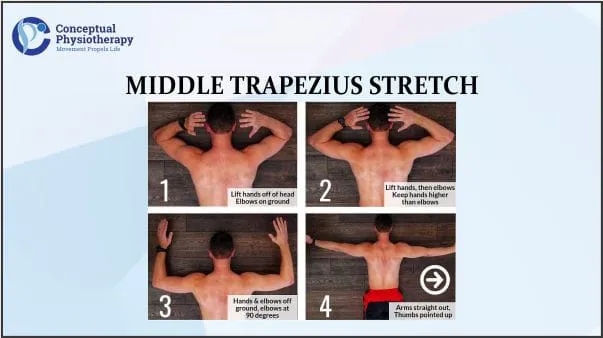
Yoga and movement classes are almost universally offered now, often with a consent-forward, body-neutral framing that many guests say feels more genuinely welcoming than what they'd find at a mainstream studio.
Guests Are Showing Up Differently
What's striking, talking to people who've attended these retreats, is how consistently they describe the wellness programming as the unexpected highlight.
"I went for the weekend events," admits one guest from Chicago who attended a kink-focused wellness retreat in the Southwest. "I stayed for the morning yoga and the afternoon workshop on nervous system regulation. I came home feeling more rested than I had in years. That wasn't what I expected."
Another guest, a couple from the Pacific Northwest who described themselves as moderately experienced in the lifestyle, said the resort's integration of relationship communication workshops alongside its more traditional offerings changed how they thought about their dynamic entirely. "It gave us language for things we'd been doing intuitively. That's not nothing."
This kind of testimonial points to something the wellness industry at large has been slow to acknowledge: kink communities have long practiced frameworks — negotiation, aftercare, check-ins, explicit communication — that align closely with what therapists and wellness practitioners are increasingly recommending for relational health. These resorts are simply making that connection visible.
The Legitimacy Question
Not everyone is comfortable with the wellness framing, and it's worth acknowledging that tension directly. Some within the alternative lifestyle community worry that positioning kink as therapeutic risks pathologizing it — as if it needs to be "good for you" to be valid. Others raise questions about practitioners who may not have the credentials to run certain workshops safely.
The better resorts are navigating this thoughtfully. They're vetting facilitators, being transparent about credentials, and framing wellness programming as complementary rather than corrective. The goal isn't to make kink respectable by wrapping it in spa branding. It's to serve a community that, like any other, benefits from rest, reflection, and care.
Where to Start Looking
If you're curious about exploring this kind of trip, a few things to look for when researching properties: Does the resort vet its workshop facilitators and publish their backgrounds? Is the wellness programming integrated year-round, or is it tacked on as a special event? Are spa and bodywork practitioners specifically trained to work with alternative lifestyle clients?
Some of the most established options are clustered in Florida, the Southwest, and parts of the Southeast — regions with year-round climates that support the kind of outdoor, communal programming these resorts do well. Clothing-optional properties with robust event calendars are often the best bet, since they tend to attract the kind of established community infrastructure that makes holistic programming sustainable.
The bottom line? If you've been writing off alternative lifestyle resorts as purely about nighttime entertainment, it's time to look again. The morning schedule might be what changes your life.