The 2026 Coverage Gap: What Your Travel Insurance Probably Won't Do for a Retreat, Resort, or Private Play Rental
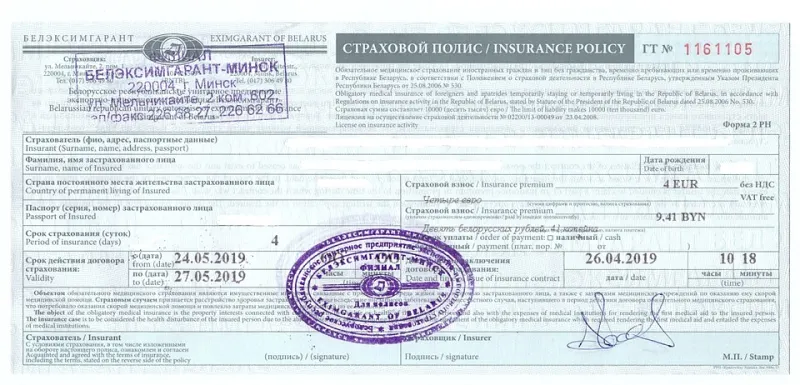
Photo: Rakoon, CC0, via Wikimedia Commons
Travel insurance is one of those purchases people make in a hurry, at the end of a booking session, with a vague sense that it's the responsible thing to do. Then something goes wrong and they discover that the policy covers a very specific version of a vacation that isn't theirs.
That's not a knock on insurance. It's a knock on buying blind. If you're booking a themed resort, a small-organizer retreat, or a private rental where the whole point is the play space, a few policy details deserve your attention before you click purchase — not after.
The Policy Was Written for a Different Trip
Mainstream travel policies are built around a recognizable template: a cruise, a package tour, a hotel in a city. They come with categories like "tour operator default," "adventure sports," "scheduled property," and "traveling companion." Every one of those categories has a definition attached, and every definition was written by someone imagining a family of four at a beach resort.
Your job is to find out where your trip falls outside those definitions.
Scenario One: The Organizer Cancels or Disappears
A lot of lifestyle retreats are run by small LLCs and solo organizers, which means deposits are often nonrefundable and the financial buffer behind your reservation is thin.
Ask two questions in writing. First: does this policy cover supplier default, meaning the organizer cancels or goes under? Sometimes it's included, sometimes it's an add-on, and sometimes it's excluded entirely. Second: what happens if the organizer cancels thirty days out — do I get my deposit back from anyone besides them?
The blunt instrument is cancel-for-any-reason coverage. It's expensive, it typically reimburses around 75% of prepaid costs, it usually has to be purchased within 14 to 21 days of your first trip payment, and you generally have to insure the full value of the trip. It's also the only thing that covers "I no longer feel comfortable with this." For a trip with a large nonrefundable deposit and an unfamiliar organizer, it's worth pricing out.
And regardless of insurance: pay your deposit with a credit card. A dispute process is a real backup, and it costs you nothing to have it available.
Scenario Two: An Injury During Play
Read the exclusion list for activities. Look specifically for language about activities involving height, speed, physical contact, or restraint. Some policies carve out anything they'd call risky; others are broader than you'd expect. If the language is ambiguous, email the insurer and ask about your specific scenario in plain terms, then save the response.
Three clauses that cause trouble:
Illegal acts. Many policies exclude losses arising from illegal activity. In a jurisdiction where your plans are legally complicated, that exclusion can turn into a coverage question you really don't want to litigate.
Intoxication. A glass of wine and an injury can become a dispute about causation. Know whether your policy has an alcohol exclusion.
Medical vs. evacuation. Medical expense coverage has limits and may be secondary to your health plan. Evacuation coverage may get you to the nearest adequate facility rather than home. Those are different outcomes.
Also check whether your US health plan covers you out of network or abroad at all. Many do, at a price, and many don't.
Scenario Three: Gear Goes Missing or Gets Wrecked
Specialty gear is a classic gap. Expensive hardware, leather, and rope don't cleanly fit categories like "sporting equipment" or "business property," and a claims adjuster working from a script may not know what they're looking at.
Your homeowners or renters policy may cover off-premises property, but with a deductible and often a limitation on "mysterious disappearance" — meaning if it vanished and you can't prove theft, you may be out of luck. For high-value items, a scheduled property rider is the cleaner path. Document everything: photos, receipts, serial numbers.
Here's the part people don't plan for. Theft claims usually require a police report, and a police report requires describing your property to a police officer. Decide in advance whether you'd actually file one, because that decision shapes whether the insurance is worth anything to you.
Scenario Four: You Damage the Rental's Play Furniture
Booking platforms sell accidental damage protection, and security deposits are standard. Read what's actually covered. Travel insurance liability coverage for property damage tends to be thin, and many policies exclude intentional acts — a phrase that could be creatively applied to a broken piece of play furniture.
Ask the host, in writing, what happens if something breaks during normal use, and get the answer saved somewhere you can find it later.
Scenario Five: The Claim Form Wants Details
The claims process is where privacy concerns get real. Forms ask what happened, where, and to what. Third-party administrators, fraud investigators, and sometimes outside reviewers may see the file.
You can be discreet without being dishonest. "Leather goods," "specialty fitness equipment," and "personal items" are accurate descriptions. What you should not do is describe something one way on the claim and another way in a follow-up email — consistency is what keeps a claim from getting flagged.
This is also where a specialty broker earns their commission. Someone who has written policies for unconventional travel before will know which carriers ask fewer questions and which ones will fight you over a definition.
Red Flags Worth Reading Twice
- A long list of "adventure sports" you've never heard of
- "Illegal acts" exclusions
- Intoxication exclusions
- A pre-existing condition waiver deadline you may have already missed
- The definition of "traveling companion" — unmarried partners, poly groups, and chosen family are frequently excluded unless they qualify as relatives or share financial responsibility with you
- "Named perils only" language, which is much narrower than it sounds
That traveling companion definition is the one that surprises people most. If your partner can't travel and you need to cancel, whether their situation triggers coverage depends entirely on how the policy defines who they are to you.
Questions to Ask Before You Buy
Does this cover supplier default? Is medical coverage primary or secondary? What's the evacuation limit and destination? Are my specific activities excluded? Does the pre-existing condition waiver apply, and by what date? Are non-relative travel companions covered for cancellation? Is there a CFAR option and what does it reimburse? What documentation is required for a gear claim? Who reviews claims, and what's their privacy policy?
The Bottom Line
Insurance isn't a vibe. It's a document, and the only useful version of it is the one you've actually read. Buy early enough to qualify for waivers, ask your questions in writing, keep your receipts, and go in knowing which parts of the trip you're self-insuring. That's not pessimism — that's how you get to relax once you're there.